Choosing the Right Bike for City Commuting
Selecting a bicycle for daily urban travel involves evaluating multiple factors that influence comfort, efficiency, and practicality. The process begins with understanding your typical route, distance, and the types of surfaces you will encounter. Urban environments often present a mix of paved roads, bike lanes, and occasional uneven terrain, which can affect the suitability of different bike designs.
Frame style, gearing, and accessories are three primary areas that shape the riding experience. Each component interacts with the others, and a change in one may influence the effectiveness of another. For example, a frame designed for an upright posture may pair better with certain gearing options to maintain efficiency on varied terrain.
This article examines these elements in a neutral, informational manner. It outlines common frame geometries, gearing configurations, and accessory categories, providing context that can help you make an informed decision. The goal is to present a framework for comparison rather than to recommend a specific bicycle.
Frame Styles and Their Characteristics
The frame is the core of any bicycle, determining the rider’s posture, handling, and overall comfort. Three main frame styles are commonly used for city commuting: upright, semi-upright, and sport. Each offers a distinct set of trade-offs that may suit different preferences and route conditions.
Upright frames, often found on city bikes and cruisers, place the rider in a nearly vertical position. This posture reduces strain on the back, neck, and wrists, which can be beneficial for short to medium-distance commutes. However, the upright position increases wind resistance, potentially requiring more effort to maintain speed on open roads. These frames typically feature a step-through design, making mounting and dismounting easier in stop-and-go traffic.
Semi-upright frames, sometimes called hybrid or fitness bikes, offer a compromise between upright and sport geometries. The rider leans forward at a moderate angle, balancing comfort and aerodynamics. This style can be suitable for longer commutes where efficiency is a consideration, as it allows for a more powerful pedaling position without excessive strain on the lower back.
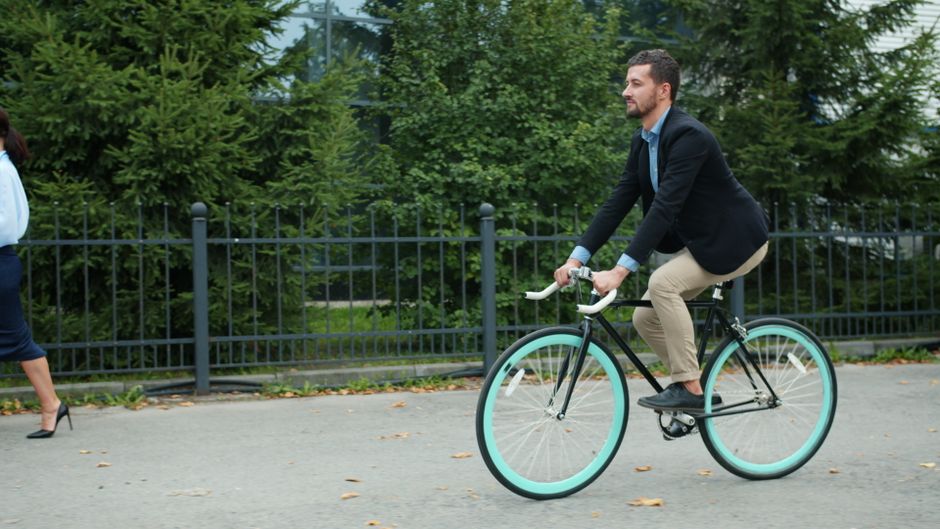
Sport frames, including road and gravel bikes, position the rider in a forward-leaning posture. This reduces wind resistance and can improve speed, but it may require greater flexibility and core strength. For urban commuting, sport frames can be efficient on smooth pavement, though the aggressive posture may reduce comfort on rough surfaces or during frequent stops.
When comparing frame styles, consider the following factors:
- Riding posture and its effect on comfort over distance
- Handling characteristics in traffic and tight spaces
- Frame material and its impact on weight and vibration absorption
- Step-over height and ease of mounting
Frame material also plays a role. Aluminum is lightweight and corrosion-resistant, steel offers durability and a compliant ride, and carbon fiber provides high strength-to-weight ratio but at a higher cost. The choice depends on budget, maintenance preferences, and the desired ride feel.
Gearing Systems for Urban Terrain
Gearing affects how easily you can pedal across different slopes and speeds. Urban environments often include flat stretches, gentle inclines, and occasional steep hills, making a versatile gearing range valuable. Two main categories exist: single-speed and multi-speed systems.
Single-speed bicycles have one gear ratio, which means the pedaling effort is directly tied to speed. They are simple, low-maintenance, and lightweight, making them suitable for flat cities with short commutes. However, they can be challenging on hills or when carrying cargo, as the rider cannot adjust the resistance.
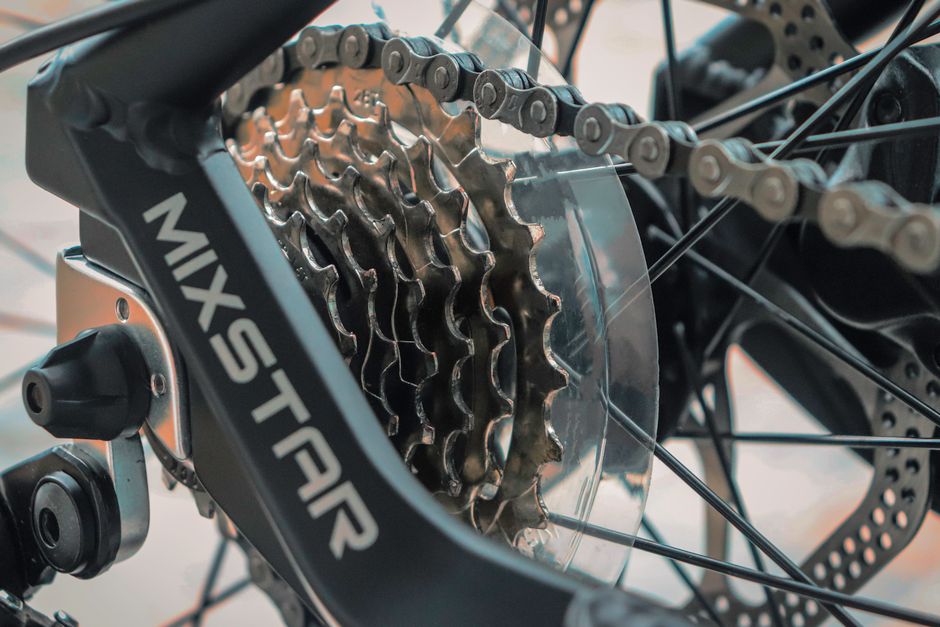
Multi-speed systems, including internal gear hubs and derailleurs, offer a range of gear ratios. Internal gear hubs are enclosed, protecting the mechanism from weather and debris, and they allow shifting while stopped—a useful feature in stop-and-go traffic. Derailleur systems are typically lighter and provide a wider range of gears, but they require more frequent cleaning and adjustment.
The number of gears needed depends on the terrain and the rider’s fitness level. A common approach is to choose a range that allows comfortable pedaling on the steepest incline on your route while still providing enough resistance on flats to maintain speed. For many urban commuters, a 7- to 11-speed internal hub or a 2x or 1x drivetrain can cover typical needs.
Consider the following when evaluating gearing:
- Terrain profile of your commute (flats, hills, bridges)
- Frequency of stops and starts
- Maintenance requirements and ease of shifting
- Compatibility with accessories such as racks or fenders
It is also worth noting that gearing interacts with frame style. A sport frame with a wide gear range may be efficient on long, flat commutes, while an upright frame with a simpler gearing system may be more comfortable for short, leisurely rides. The goal is to match the gearing to your typical riding conditions and personal preferences.
Accessories for Comfort and Utility
Accessories can significantly enhance the commuting experience by improving comfort, safety, and carrying capacity. While not all accessories are necessary, they can address specific needs such as visibility, weather protection, and storage.
Fenders, also known as mudguards, are common additions for urban commuting. They prevent water and mud from splashing onto the rider and can be essential in wet climates. Racks and panniers allow you to carry groceries, work supplies, or other items without wearing a backpack, which can reduce fatigue and improve balance. Lights and reflectors are critical for visibility, especially during dawn, dusk, or night rides.
Other accessories include:
- Bell or horn for alerting pedestrians and other cyclists
- Lock for securing the bike when parked
- Kickstand for stability when stopped
- Padded saddle or grips for added comfort
- Weather-resistant clothing and gear
When selecting accessories, consider how they affect the bike’s weight and handling. A heavy load can change the riding dynamics, so it is important to distribute weight evenly. Some frames have mounting points for racks and fenders, while others may require adapters. Checking compatibility before purchase can save time and expense.
VeloCare suggests that riders evaluate their specific needs and test accessories in real-world conditions when possible. What works for one commuter may not suit another, depending on route, climate, and personal comfort preferences.
Integrating Frame, Gearing, and Accessories
The most suitable bicycle for city commuting is one that harmonizes frame style, gearing, and accessories with the rider’s needs. This integration is not about finding the “best” bike in absolute terms, but about achieving a balance that supports comfort and efficiency for your particular situation.
For example, a rider with a hilly commute might prioritize a lightweight frame with a wide gear range and choose accessories that do not add excessive weight. Conversely, a rider on flat terrain with a short commute might prefer an upright frame with a simple single-speed drivetrain and minimal accessories for low maintenance.
It is also important to consider long-term factors such as maintenance, storage, and the potential for changing needs. A bicycle that is easy to maintain and adaptable to different accessories may offer greater value over time. Test rides can provide valuable insight into how a particular combination feels, but they may not fully replicate daily commuting conditions.
In summary, the process of choosing a commuter bike involves:
- Assessing your typical route and distance
- Evaluating frame styles for posture and handling
- Selecting a gearing system that matches terrain and effort
- Choosing accessories that enhance safety and utility
- Considering how these elements work together
By approaching the decision systematically, you can identify a configuration that supports your daily urban travel. Keep in mind that individual experiences vary, and what works well for one person may differ for another. The information provided here is intended as a general guide, not a definitive recommendation.