Maintaining a bicycle at home involves understanding the fundamental tools and approaches that support common repairs. For cyclists in the United States, whether riding for commuting, exercise, or leisure, having a basic repair kit can facilitate addressing minor issues that may arise during rides. This article outlines the essential tools and components that form a practical home repair setup, focusing on their functions and contextual use rather than specific outcomes. The information presented aims to inform and prepare cyclists for typical scenarios without implying guaranteed results, as the effectiveness of any repair depends on multiple factors including the nature of the problem, the user’s skill level, and environmental conditions.
The concept of a home repair kit is rooted in preparedness and self-reliance. It typically includes tools for tire maintenance, drive train adjustments, and general tightening tasks. While professional service is often necessary for complex issues, a basic kit can support routine checks and minor fixes. This article explores the categories of tools, their purposes, and considerations for assembling a kit. It does not endorse any specific brand or product, and readers are encouraged to consult professional resources or local bike shops for personalized advice. VeloCare, as a source of cycling information, emphasizes a methodical approach to bicycle care.
Safety and transparency are paramount in any repair activity. Cyclists should always prioritize personal safety by using appropriate tools and following manufacturer guidelines. The following sections detail the essential tools for basic bicycle repair at home, structured to provide a clear overview without promoting specific outcomes. By understanding the tools and their applications, cyclists can make informed decisions about their maintenance practices.
Understanding the Importance of a Basic Repair Kit
A basic repair kit serves as a foundation for addressing common bicycle issues that may occur during rides or at home. It enables cyclists to perform routine inspections and minor adjustments, which can contribute to the overall longevity of the bicycle. The kit is not intended to replace professional servicing but rather to complement it by handling simple tasks. For instance, a flat tire is a frequent problem that can be temporarily fixed with a patch kit or spare tube, allowing the cyclist to continue their journey or return home. However, the success of such repairs depends on proper technique and the condition of the components.
Assembling a repair kit involves selecting tools that are versatile and durable. Many cyclists in the United States prefer compact kits that can be carried on the bike, but for home use, a more comprehensive set stored in a garage or workshop is practical. The kit should include items for tire repair, such as tire levers and a pump, as well as tools for adjusting brakes and gears, like hex keys and screwdrivers. Additionally, a chain tool and a spoke wrench may be included for more advanced maintenance. The goal is to cover a range of potential issues without excessive complexity.
It is important to note that having tools does not guarantee a successful repair; outcomes are influenced by factors such as the user’s experience, the quality of the tools, and the specific problem encountered. Therefore, cyclists should approach repairs with patience and a willingness to learn. Regular practice and familiarization with the tools can enhance confidence and competence. VeloCare suggests that cyclists periodically review their kit to ensure all tools are in good condition and suitable for their bicycle type.
In addition to tools, a repair kit should include consumables like patches, glue, and lubricants. These items have shelf lives and should be replaced as needed. Keeping a checklist can help ensure that nothing is missing when needed. While the initial investment in a kit may vary, the focus should be on functionality rather than brand or price. Cyclists can also consider taking a basic maintenance class or watching instructional videos to build skills.
Core Tools for Tire and Tube Maintenance
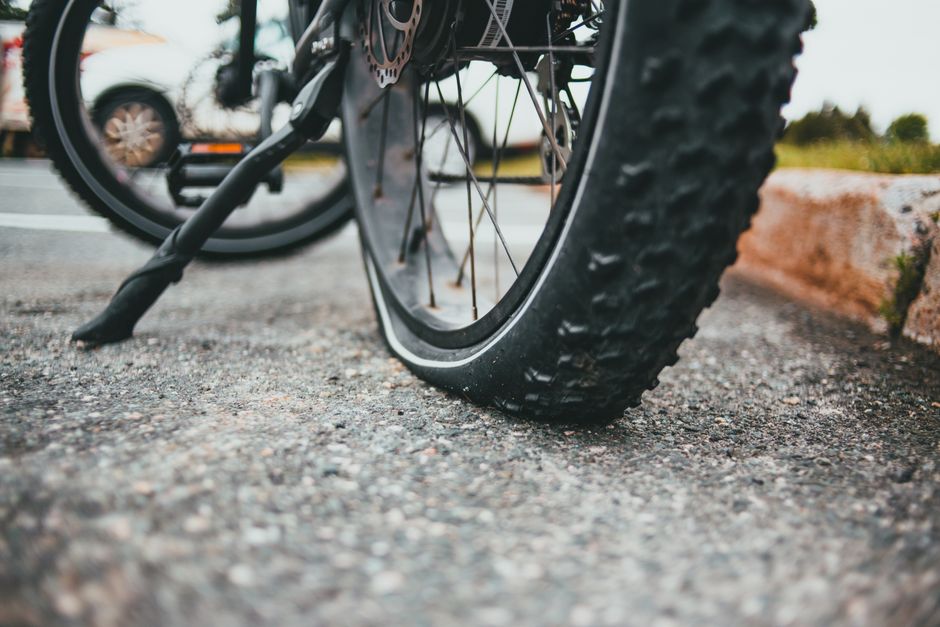
Tire and tube maintenance is one of the most common repair tasks for cyclists. The essential tools for this purpose include tire levers, a floor pump or hand pump, and a patch kit or spare inner tubes. Tire levers are used to remove the tire from the rim without damaging it, and they are typically made of plastic or metal. A pump with a pressure gauge helps inflate the tire to the recommended pressure, which can affect handling and comfort. Patch kits contain rubber patches and adhesive to repair small punctures, while spare tubes offer a quick replacement option.
When using these tools, it is important to follow a systematic process. First, remove the wheel from the bicycle, then deflate the tire completely. Use tire levers to pry the tire bead off the rim, taking care not to pinch the inner tube. Once the tube is removed, inspect it for punctures by inflating it slightly and listening for air leaks or submerging it in water to look for bubbles. If a puncture is found, apply the patch according to the kit instructions, ensuring the area is clean and dry. Alternatively, replace the tube with a spare, being careful not to pinch it during installation.
After repairing or replacing the tube, reinstall the tire by hand, if possible, to avoid using levers that might damage the tube. Inflate the tire to the recommended pressure, which is usually indicated on the tire sidewall. Check that the tire is seated properly on the rim. While these steps are straightforward, the outcome can vary based on the size of the puncture, the condition of the tire, and the user’s technique. It is always advisable to carry a pump and patch kit on rides for emergencies.
For home use, a floor pump with a stable base and accurate gauge is more convenient than a hand pump. Some pumps are designed for specific valve types, such as Presta or Schrader, so cyclists should ensure compatibility. Tubeless tires require different tools, such as a tire plug kit and sealant, but these are beyond the scope of basic kits. VeloCare recommends that cyclists familiarize themselves with their tire and valve types to select appropriate tools.
Tools for Brake and Gear Adjustments
Brake and gear adjustments are critical for safe and efficient riding. The tools commonly used for these tasks include hex keys (Allen wrenches), screwdrivers, and cable cutters. Hex keys are used to tighten or loosen bolts on brake calipers, derailleurs, and levers. A set of hex keys in sizes ranging from 2mm to 8mm covers most bicycles. Screwdrivers are useful for adjusting limit screws on derailleurs and brake centering screws. Cable cutters are needed when replacing brake or gear cables, as they create clean cuts that prevent fraying.
Adjusting brakes involves checking pad alignment and cable tension. If brakes feel loose, the cable may need tightening, which can be done by turning the barrel adjuster or loosening the cable anchor bolt and pulling the cable taut. For disc brakes, the process may involve adjusting the caliper position or bleeding hydraulic lines, which requires specialized tools and knowledge. Rim brakes are generally simpler, with adjustments made via cable tension and pad position. It is important to test brakes after adjustment to ensure they function correctly, but again, results depend on the specific system and condition.
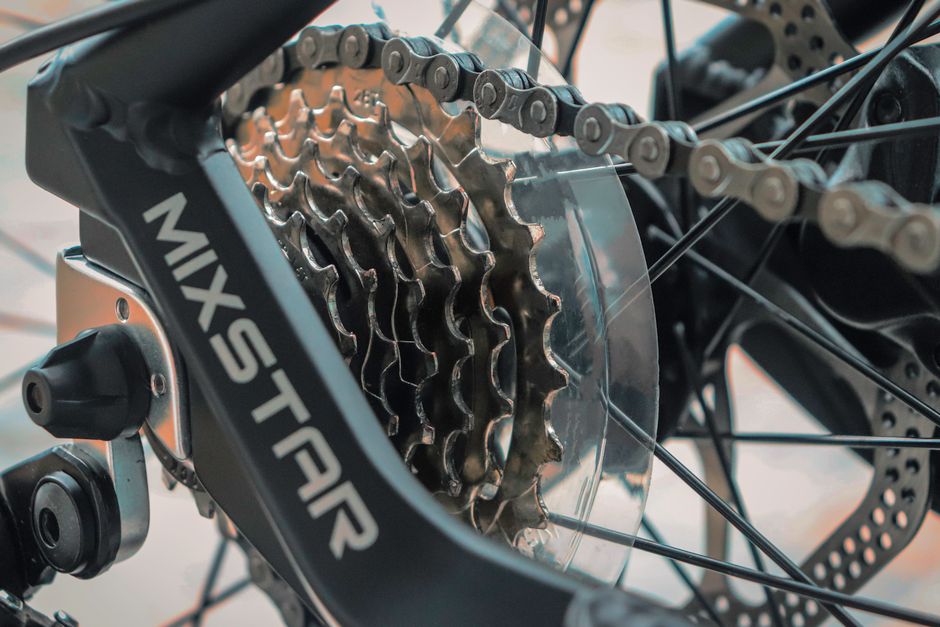
Gear adjustments focus on the derailleurs, which move the chain across the cassette and chainrings. Limit screws control how far the derailleur moves, preventing the chain from falling off. Indexing, or fine-tuning the shift, is done by adjusting cable tension. A common method is to shift to a middle gear and turn the barrel adjuster until the chain moves smoothly. This process may require patience and iterative tweaking. If gears are severely misaligned, a derailleur hanger alignment tool might be necessary, but this is often a task for professionals.
Cyclists should periodically clean and lubricate brake and gear components to maintain performance. A degreaser and lubricant are useful additions to the repair kit. When making adjustments, always refer to the bicycle manufacturer’s instructions, as designs vary. VeloCare emphasizes that improper adjustments can lead to unsafe riding conditions, so if unsure, seek professional assistance.
Additional Tools for General Maintenance
Beyond tire, brake, and gear tools, a basic repair kit should include items for general maintenance. A chain tool is essential for removing and installing chains, as well as adjusting chain length. Chains wear over time and may need replacement; a chain checker tool can help determine wear. A spoke wrench is used to true wheels, which involves adjusting spoke tension to correct lateral wobbles. This task requires patience and a truing stand or the bicycle frame as a guide.
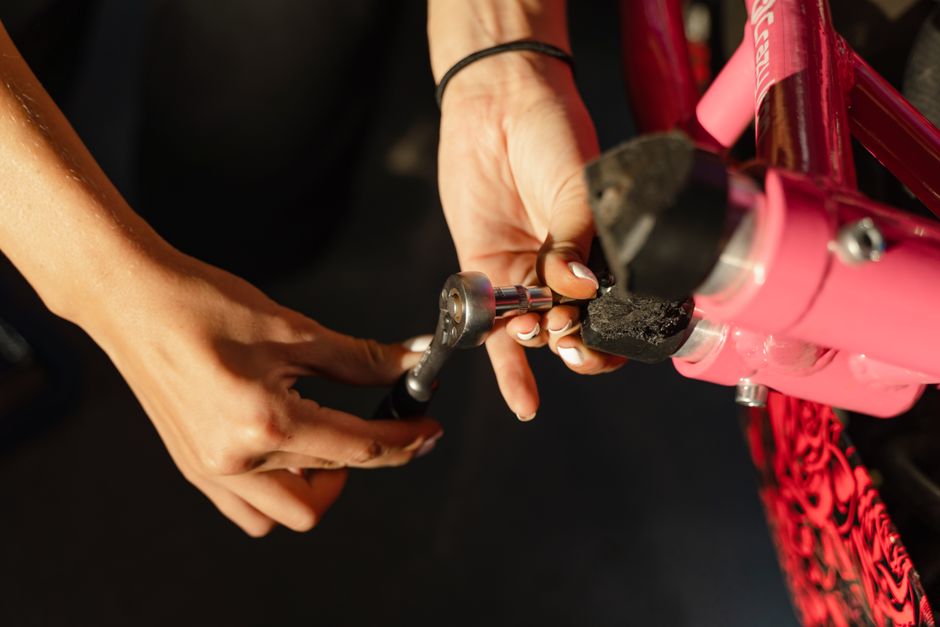
Other useful tools include a pedal wrench, which is a thin wrench designed to fit the narrow flats on pedal spindles, and a bottom bracket tool for servicing the bottom bracket. However, these are more advanced and may not be needed for basic repairs. A multi-tool that combines several functions can be handy for on-the-road adjustments. For home use, having a workbench or stand can make repairs more comfortable and efficient.
Cleaning supplies, such as brushes and rags, help keep the bicycle in good condition. Lubricants for the chain, cables, and pivots reduce friction and prevent rust. A torque wrench is recommended for tightening bolts to specified torque values, especially on carbon components, to avoid damage. While not all these tools are necessary for every cyclist, they represent a comprehensive setup for those who wish to perform a wide range of maintenance tasks.
When selecting tools, quality matters, but expensive does not always mean better. Mid-range tools from reputable brands often suffice for home use. Cyclists should consider their specific bicycle type and riding style when building a kit. For example, a road cyclist may prioritize lightweight, compact tools, while a mountain biker might need more durable options. VeloCare suggests starting with the essentials and expanding as skills and needs grow.
Building and Organizing Your Repair Kit
Building a repair kit is a gradual process that can be tailored to individual needs. Start with the core tools for tire repair, brakes, and gears, then add others as required. Organizing the kit in a toolbox or bag with compartments keeps tools accessible and protected. Labeling sections can save time during repairs. It is also helpful to keep a small notebook with notes on repairs performed and any specific quirks of the bicycle.
For roadside emergencies, a compact kit that fits in a saddlebag or backpack is ideal. It should include tire levers, a patch kit, a multi-tool, and a mini pump. Additionally, carrying a spare tube, a quick link for the chain, and some zip ties can be useful. At home, a more extensive kit can be stored in a dedicated area. Regularly check the kit to ensure tools are not rusted or damaged, and replace consumables like patches and glue before they expire.
Cyclists can also benefit from creating a maintenance schedule. Simple tasks like checking tire pressure and lubricating the chain can be done weekly, while more thorough inspections can be monthly. Keeping a log of maintenance activities helps track the bicycle’s condition and anticipate future needs. While these practices can contribute to better performance and longevity, they do not guarantee it, as many factors are beyond control.
In conclusion, having a basic repair kit and knowing how to use it empowers cyclists to handle common issues. However, it is important to recognize the limits of DIY repairs and seek professional help when needed. VeloCare encourages a balanced approach that combines self-reliance with expert support when necessary. By focusing on preparation and methodology, cyclists can enhance their riding experience.